Hernia Care

At St. Elizabeth, we understand that dealing with a hernia can be challenging. If you think you might have a hernia, take our hernia screening questionnaire or print the PDF version to take to your primary care provider to fill out and review together.

Understanding Hernias

Hernias occur when an internal organ or tissue pushes through a weak spot in the surrounding muscle or connective tissue. While some hernias are painless and slow-growing, others can become serious and require immediate medical attention.

At St. Elizabeth we treat all common types of hernias, including those in the groin, abdomen, and upper stomach. Our team uses advanced diagnostic tools and minimally invasive techniques, including robotic-assisted surgery, to ensure the best outcomes for each patient.

Comparing Your Treatment Options

Our boardcertified general surgeons offer both traditional and advanced minimally invasive techniques, including robotic-assisted surgery. Robotic surgery allows:

  • Smaller incisions.
  • Greater precision.
  • Less pain and scarring.
  • Faster recovery times.

We tailor each treatment plan to your needs, whether youโ€™re managing a small hernia or facing a more complex case.

Learn more in our Healthy Headlines article: Do I Need Hernia Surgery Right Away?

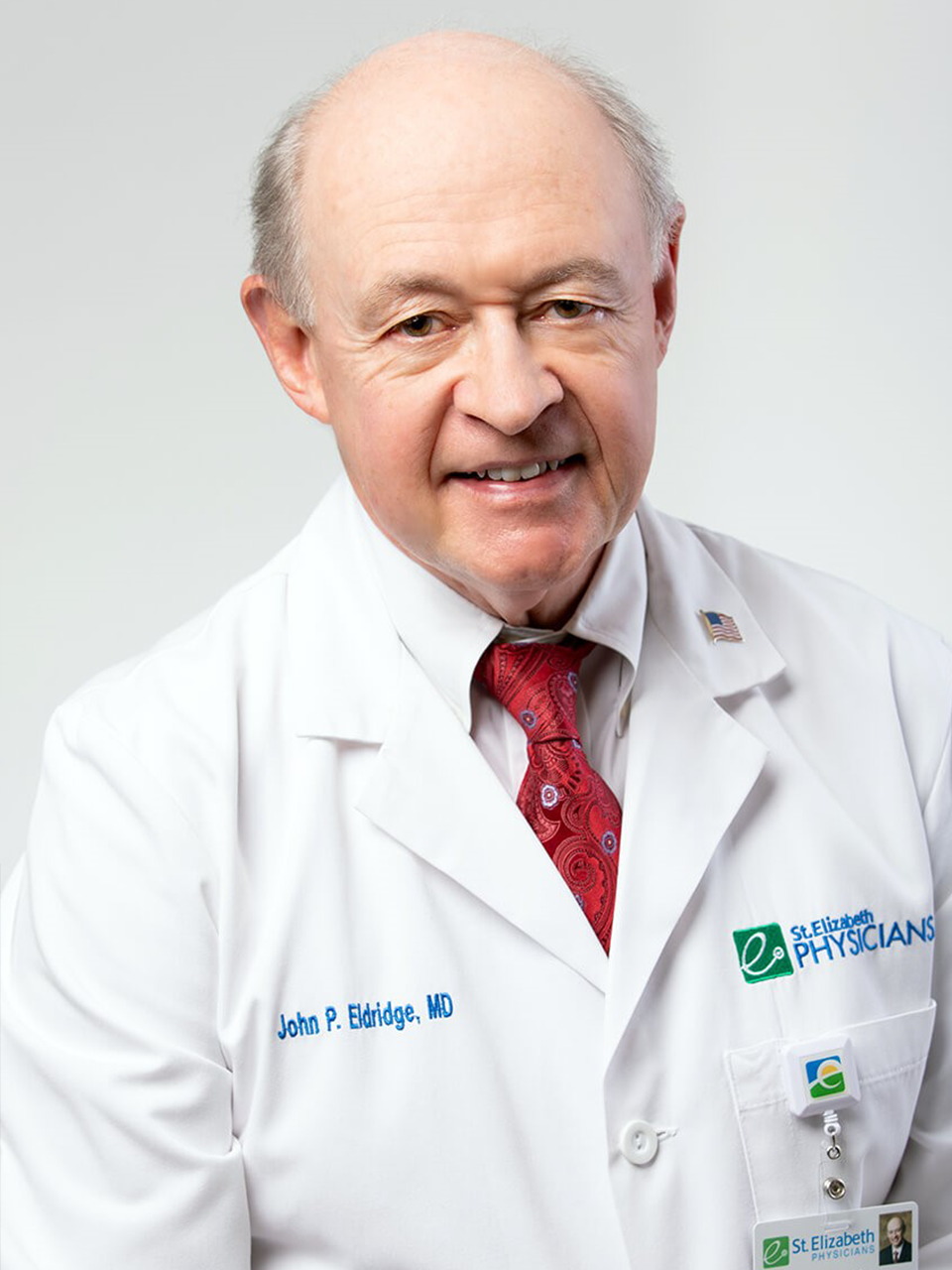
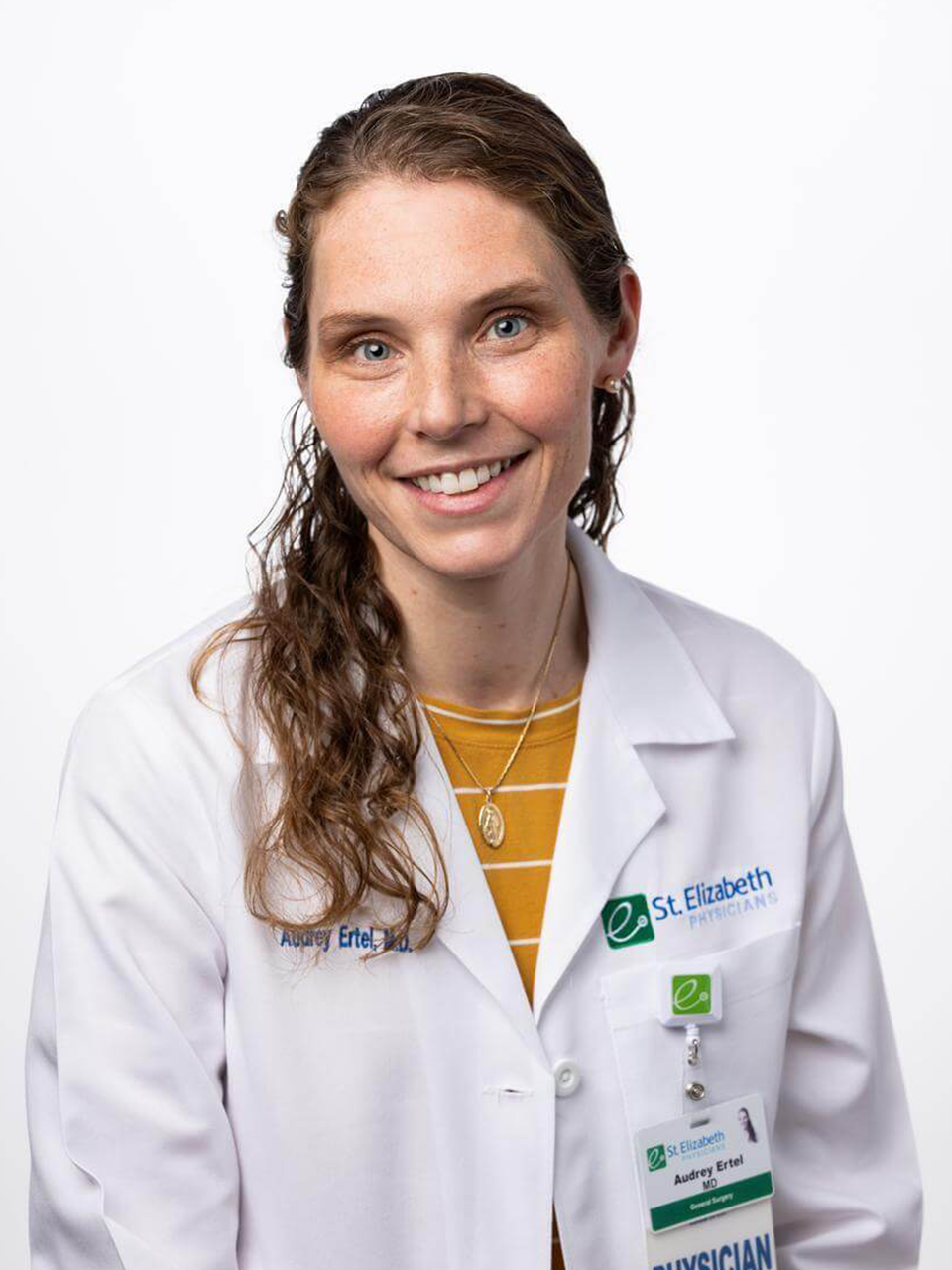
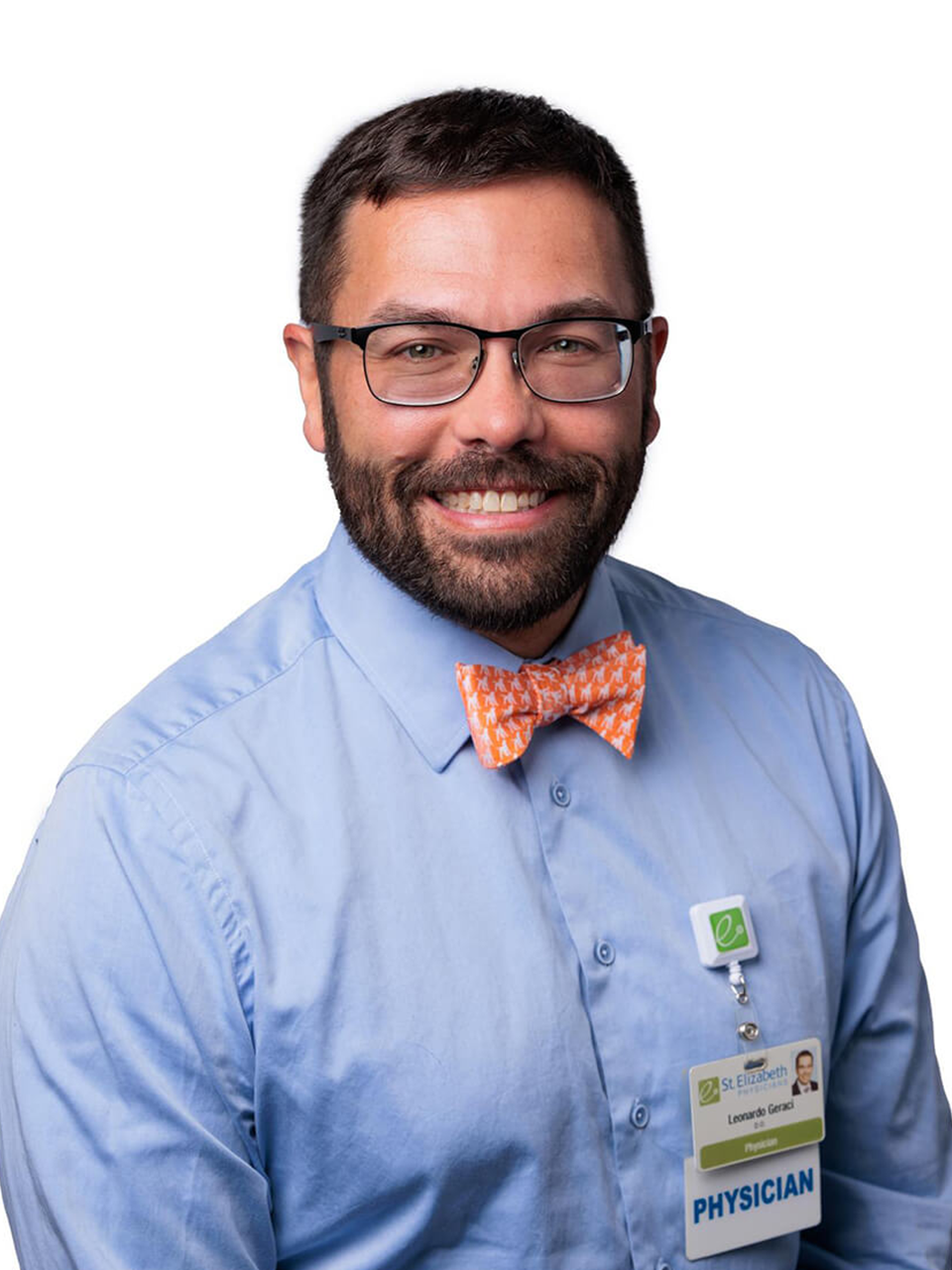
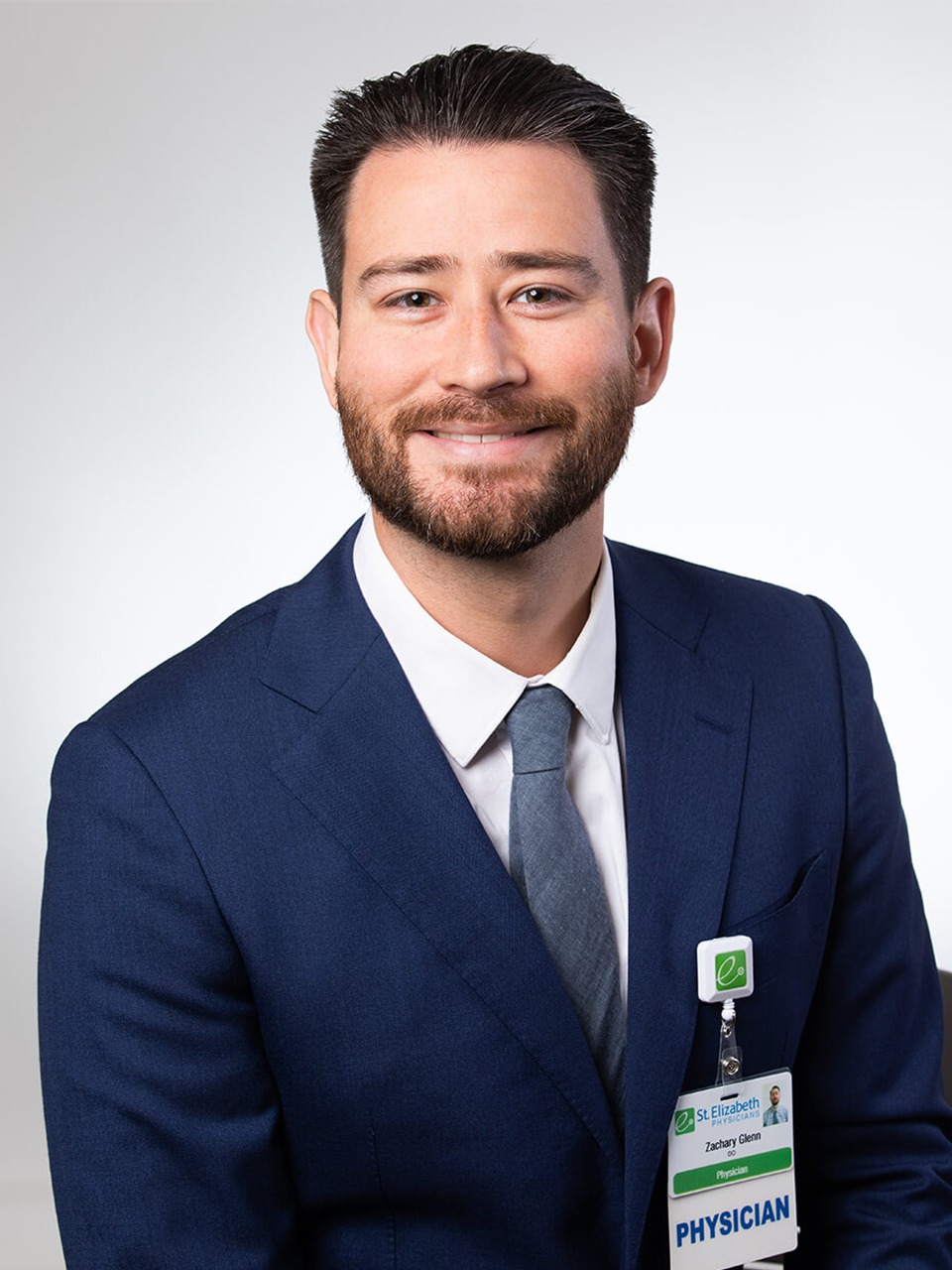
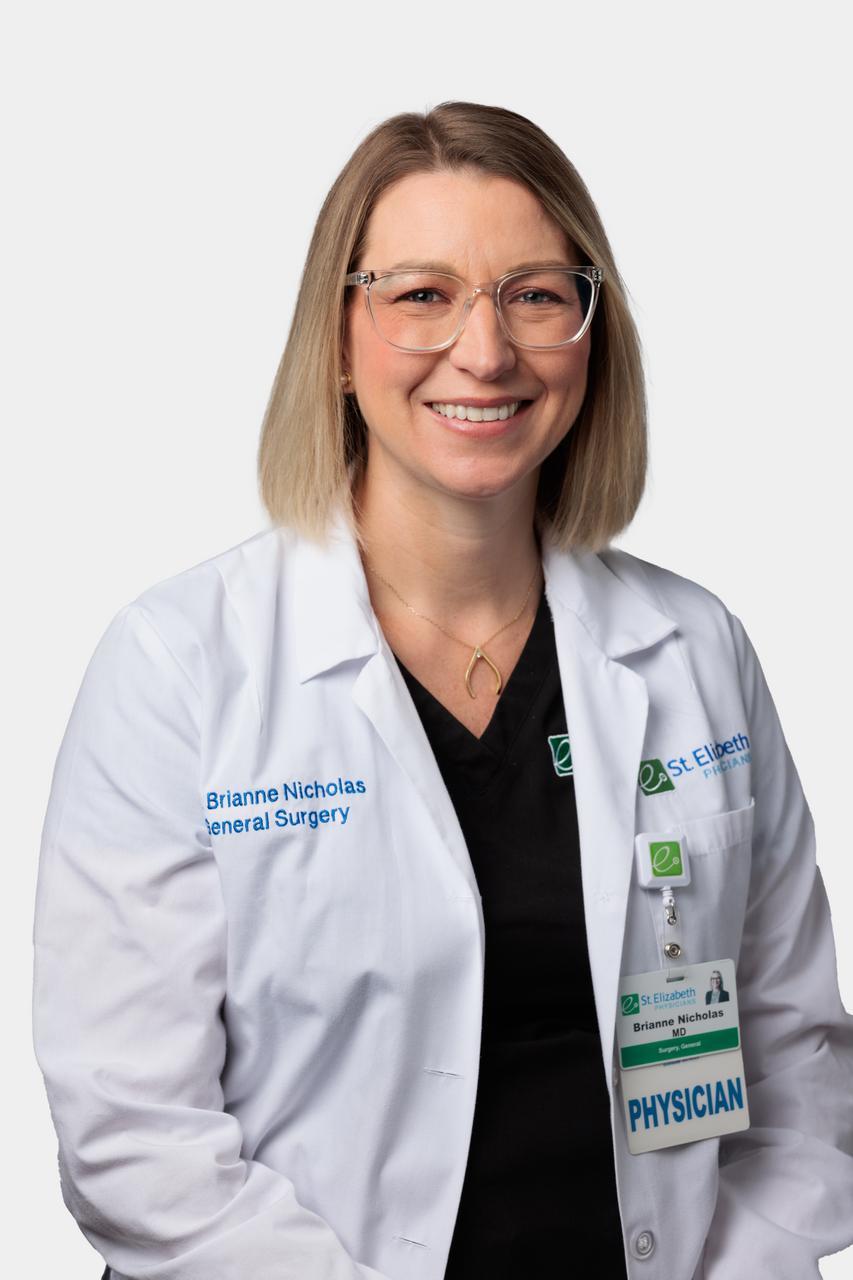
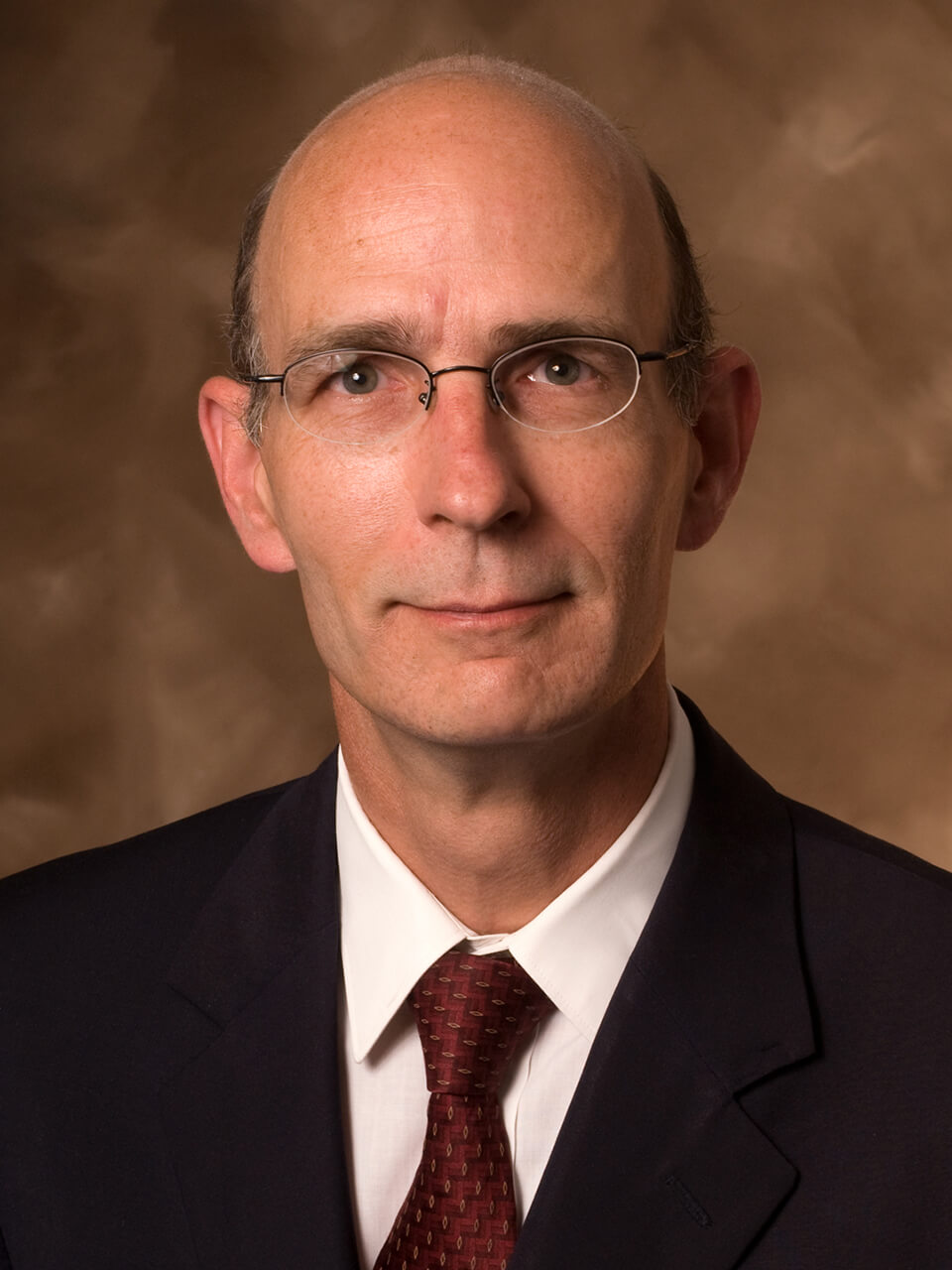
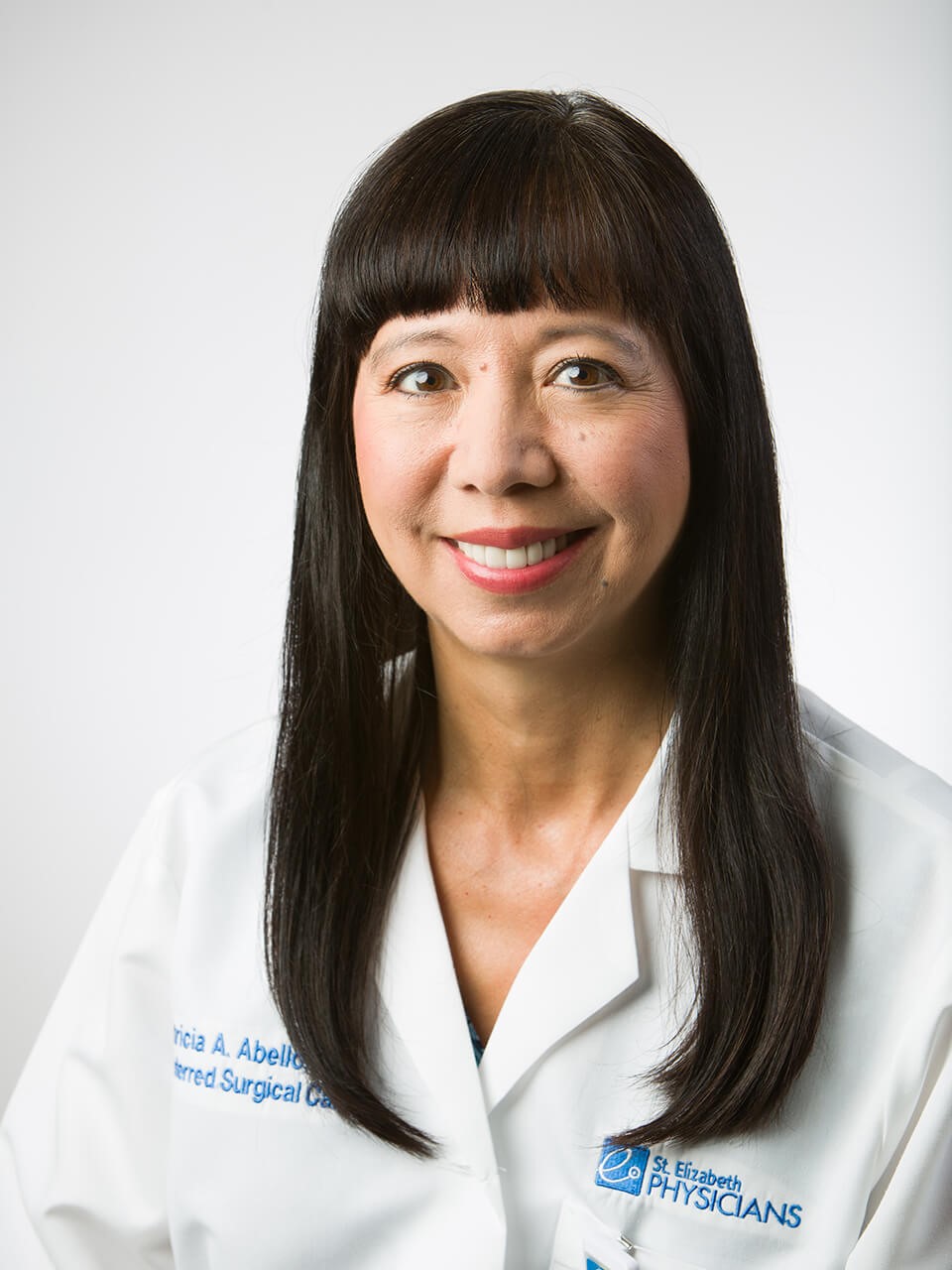
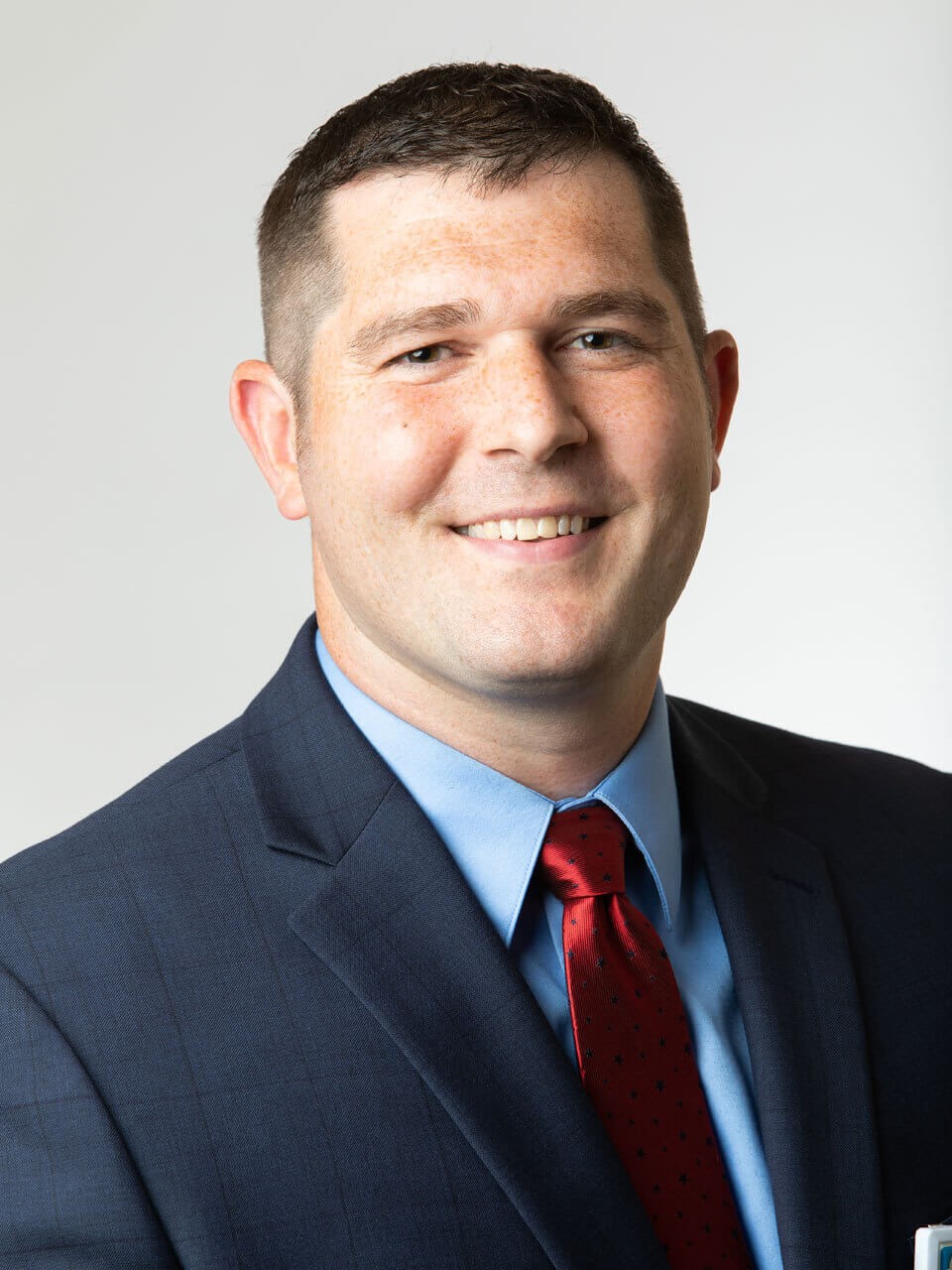
Meet Our Hernia Surgeons

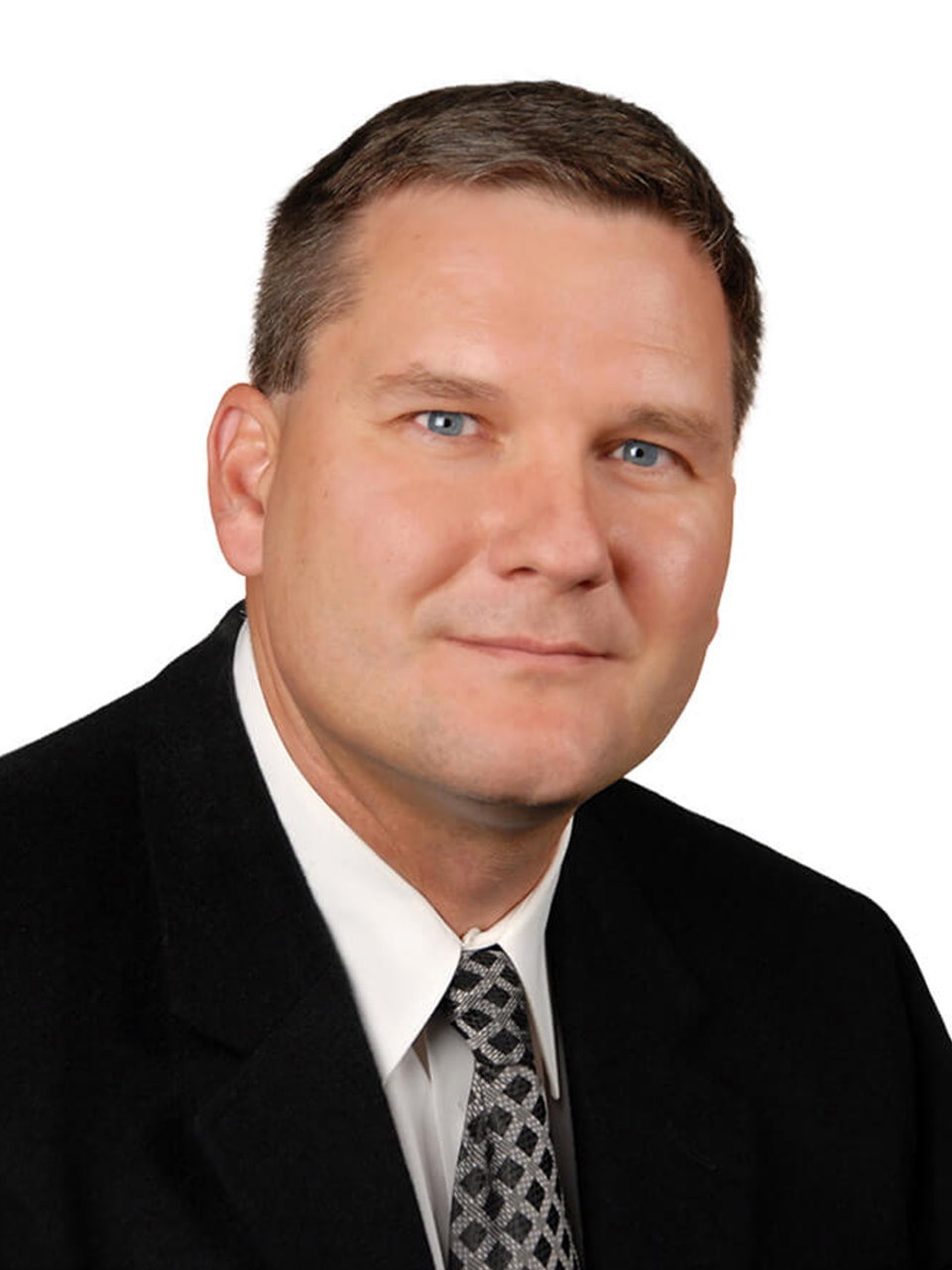
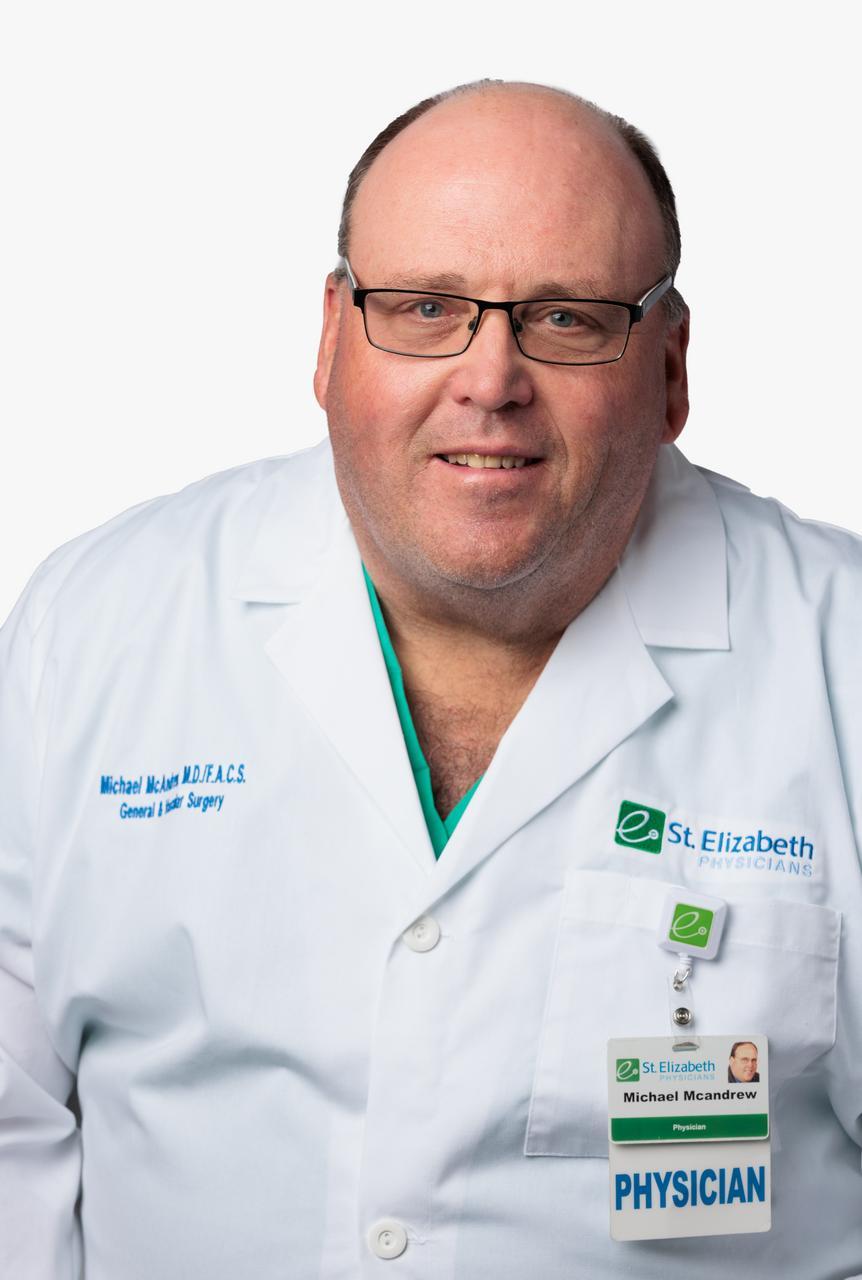
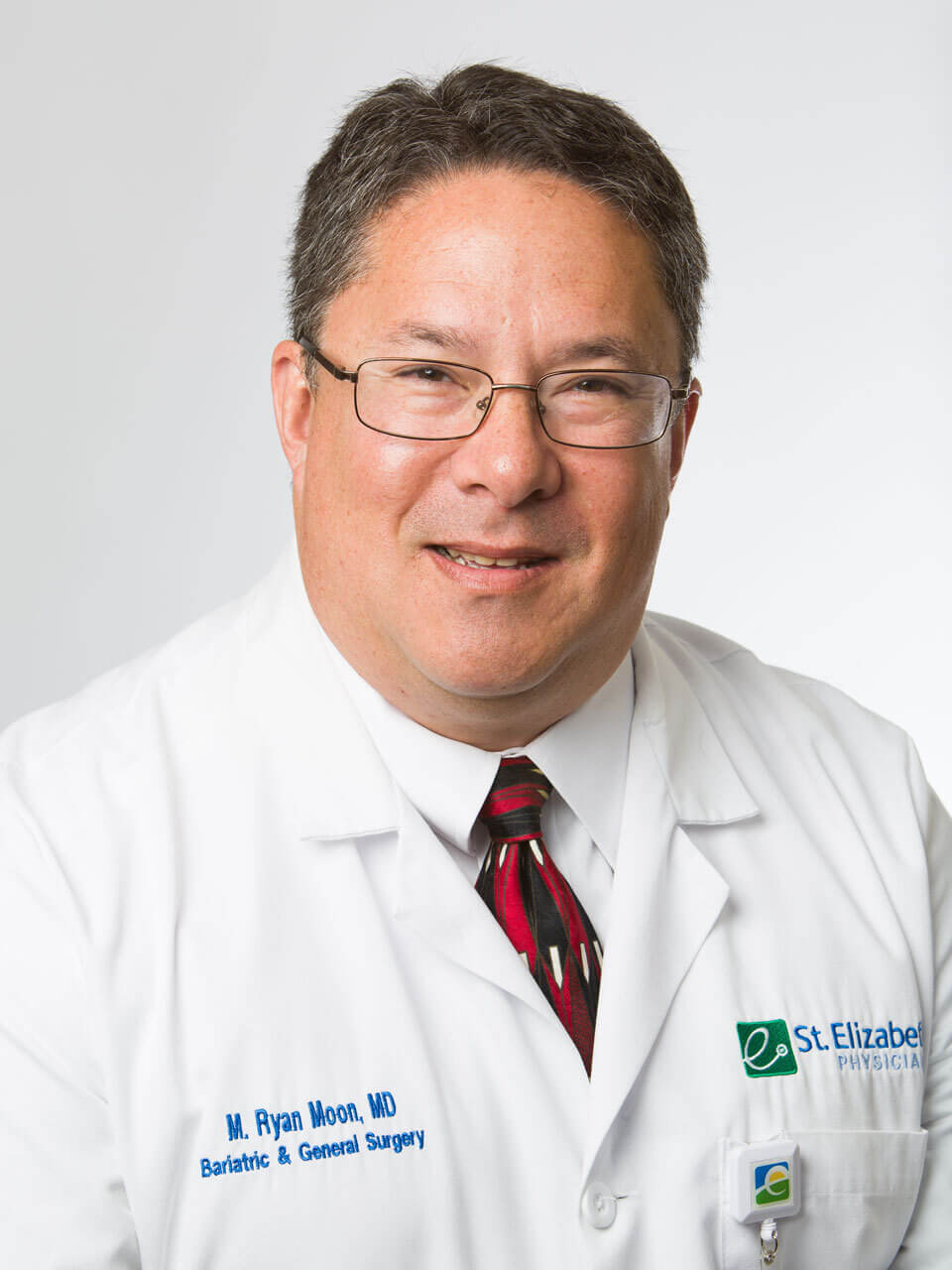
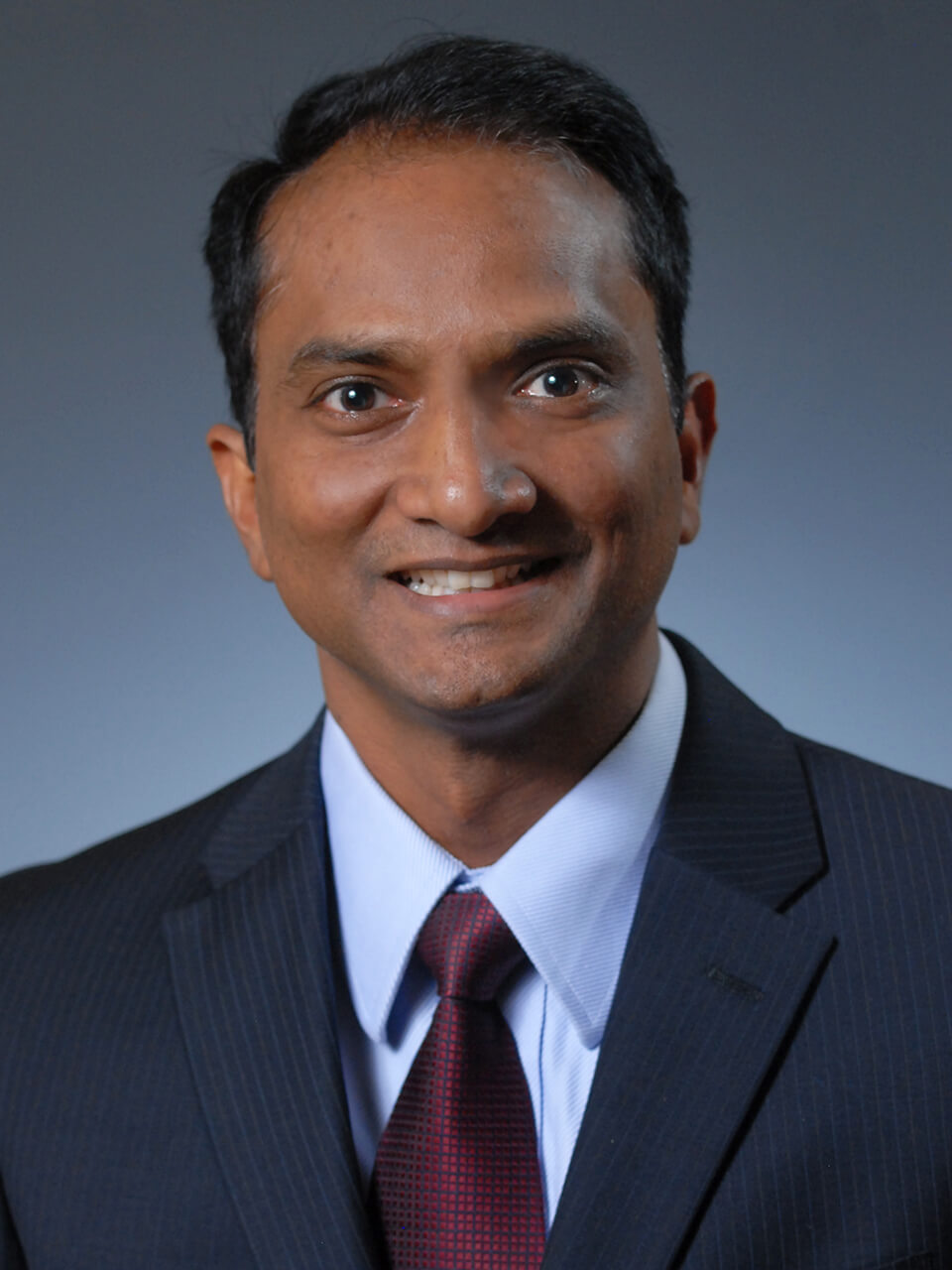
Our expert general surgeons bring deep expertise and a personalized approach to hernia care. With access to advanced technology, they focus on delivering safe, effective treatment tailored to your needs.
Recovery and Life After Surgery

Most patients return to normal activities within a few weeks of surgery. Our team will guide you through every step of recovery including:

  • Pain management.
  • Activity restrictions.
  • Follow-up care.
  • Long-term prevention tips.

Frequently Asked Questions About Hernia Surgery

A hernia may cause a bulge, pressure, or discomfort that worsens with lifting or straining. Some hernias cause few symptoms. Your primary care provider or a general surgeon can confirm the diagnosis.

Not all hernias need surgery. We can safely monitor some hernias, while others require surgery to prevent complications. Your surgeon will recommend the best approach based on your symptoms, hernia size and overall health.

Hernias do not heal without surgery. They may stay the same, slowly grow or become painful over time. Thatโ€™s why talking to your provider is important.

Timing for hernia surgery depends on your symptoms and hernia type. Some hernia repairs are elective. Others, especially painful or enlarging hernias, should be treated sooner. Your surgeon will guide you on safe timing.

A hernia may be an emergency if you experience sudden, severe pain, nausea, vomiting or a bulge that becomes firm or cannot be pushed in. These symptoms may signal a trapped or strangulated hernia. Get immediate care or visit the emergency department if these symptoms occur.

General surgeons treat hernias. They specialize in diagnosing and repairing abdominal wall defects using both traditional and minimally invasive techniques.

Your surgeon will determine whether robotic, laparoscopic, or open repair is the best option for your hernia.

Many hernia repairs use mesh to strengthen the abdominal wall and reduce the risk of recurrence. Your surgeon will discuss whether they recommend mesh, based on the herniaโ€™s size, location and complexity.

After hernia surgery, most people return to light activity within a few days and can get back to regular routines within a few weeks, depending on the type of repair. Your care team will review lifting restrictions, pain management and follow-up instructions.

While hernia repair is highly successful, hernias can return. Factors like smoking, chronic coughing, being overweight or lifting heavy objects can increase the risk. Your surgeon will provide guidance to help prevent recurrence.

If you have a hernia, light activity may be safe. Heavy lifting or straining can make a hernia worse. Your surgeon will provide you with information on what activities are safe before and after hernia repair.

Hernias can form from a combination of muscle weakness and strain. There are several factors that can increase the risk of developing a hernia, including:

  • Chronic coughing
  • Heavy lifting
  • Pregnancy
  • Prior surgery
  • Aging

We can safely monitor some small or minimally symptomatic hernias with regular follow-up. Your surgeon will recommend watchful waiting or repair, based on your symptoms, hernia size and overall health.

Schedule Your Appointment Today

Learn More

To learn more information about General Surgery or to schedule your consultation, call (800) 737-7900.